
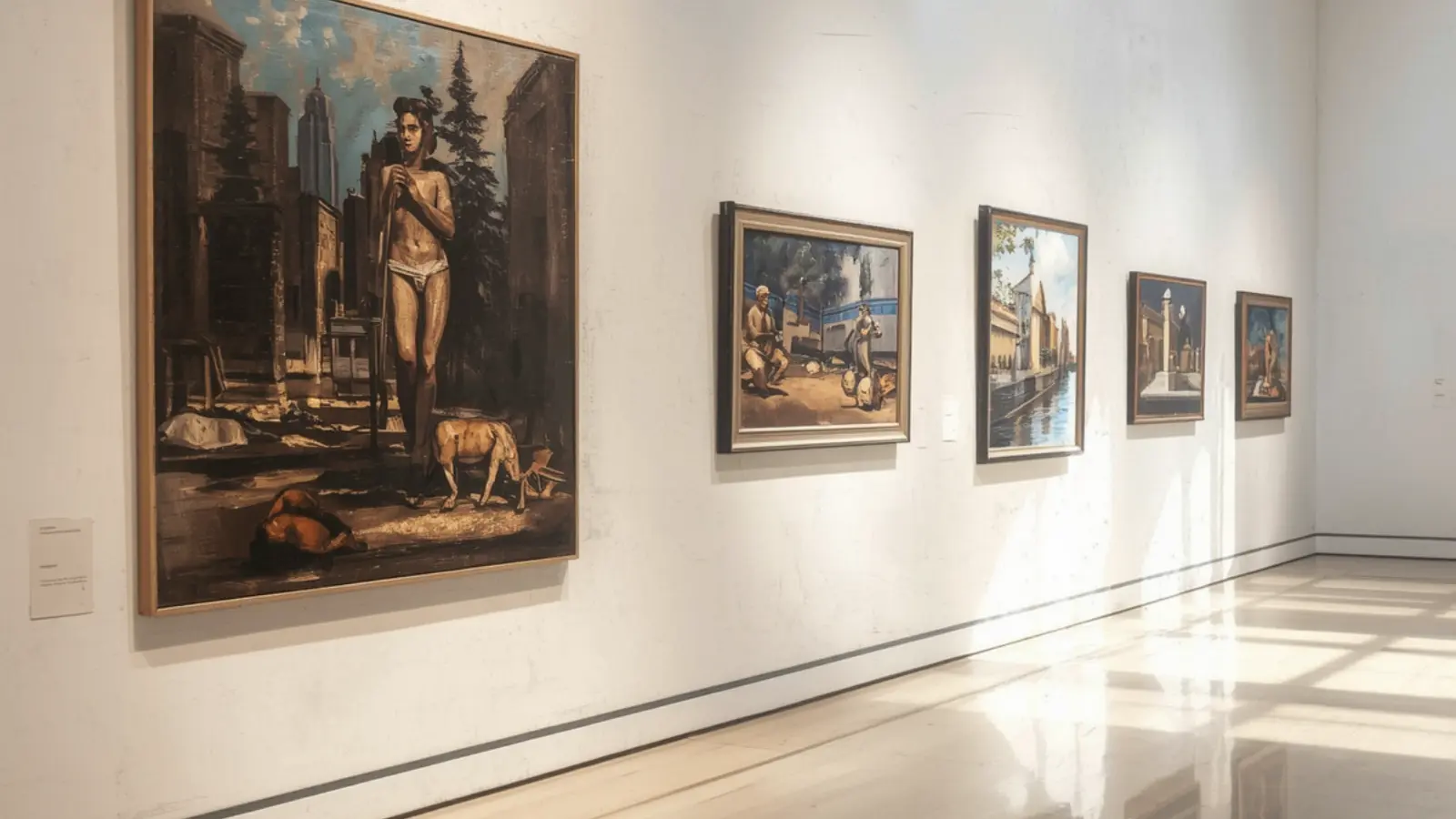
Captions for museum pictures are short, meaningful text descriptions used with photos taken in museums to express emotions, context, and storytelling.
They help enhance Instagram engagement, improve post visibility, and connect audiences with art, history, and culture through relatable, aesthetic, and thought-provoking writing styles.
🎨 Storytelling Through Silent Walls: Crafting Meaningful Museum Captions
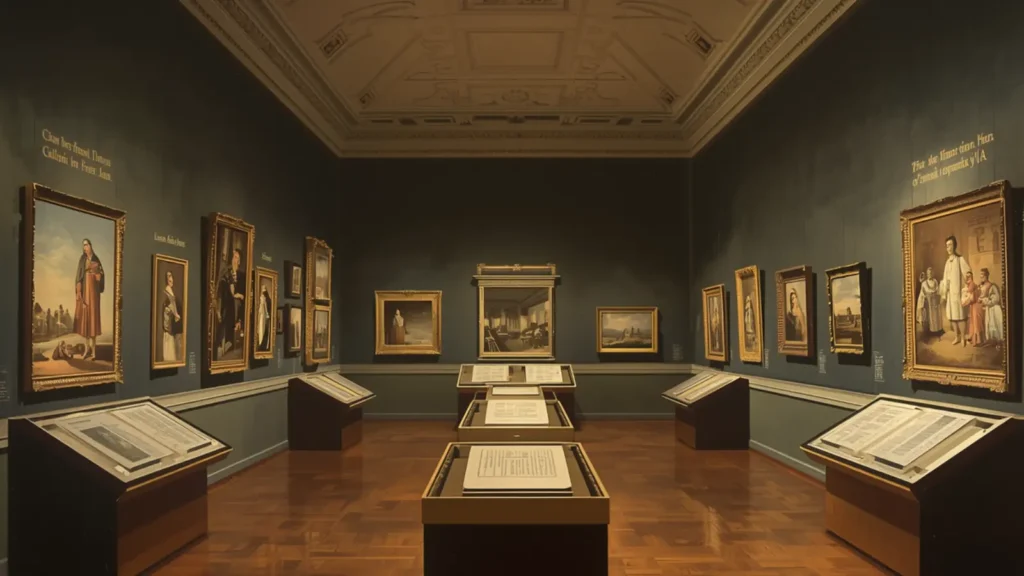
- Museum captions should transform quiet exhibits into powerful storytelling moments that connect emotionally with viewers.
- Use descriptive language that reflects the mood of the artwork or artifact.
- Focus on the story behind what you saw, not just the object itself.
- Add emotional depth by sharing what the piece made you feel inside.
- Combine history and imagination to make captions more immersive.
- Use simple but expressive words for better readability and engagement.
- Keep captions relatable so audiences can connect instantly.
- Highlight contrasts like past vs present or silence vs expression.
- Use emojis 🎭🖼️ to add emotional and visual appeal.
- Turn a simple photo into a narrative journey for your followers.
- Encourage curiosity by asking reflective questions in captions.
- Make each caption feel like a mini story, not just a description.
🖼️ Aesthetic Expression Techniques for Artistic Museum Photography Captions
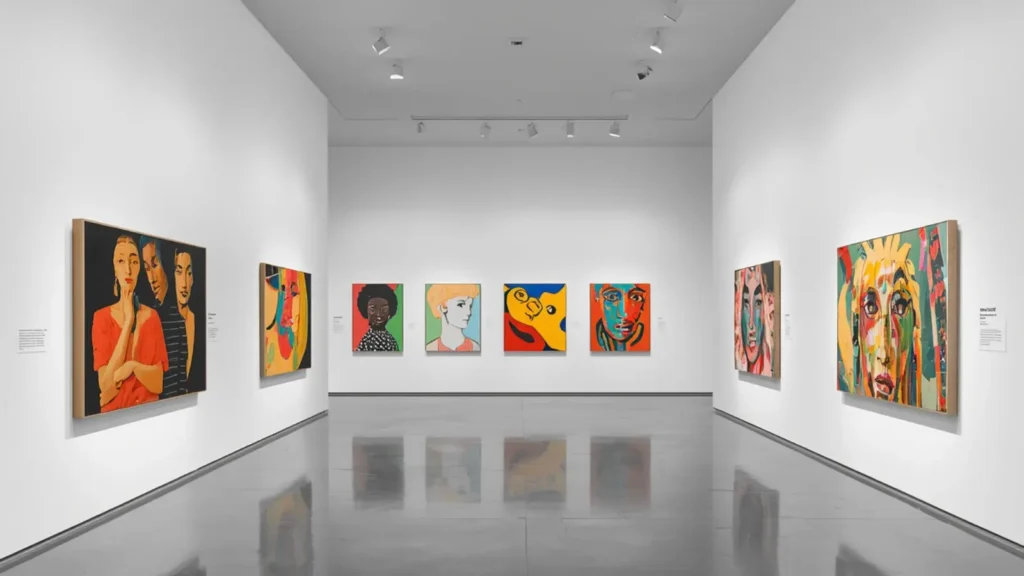
- Focus on visual beauty when writing captions for museum aesthetics.
- Describe colors, textures, and lighting seen in the artwork.
- Use poetic phrasing to enhance artistic appeal.
- Match caption tone with the style of the exhibit (modern, classic, abstract).
- Keep language elegant but easy to understand.
- Use metaphors to elevate artistic interpretation.
- Highlight composition details like symmetry or contrast.
- Add softness in tone for visual harmony.
- Include aesthetic emojis 🎨✨🖌️ to enhance engagement.
- Avoid over-explaining the artwork—let visuals speak.
- Focus on mood-driven language instead of technical jargon.
- Maintain a balance between creativity and clarity.
💭 Emotional Layering: Turning Museum Moments into Relatable Captions
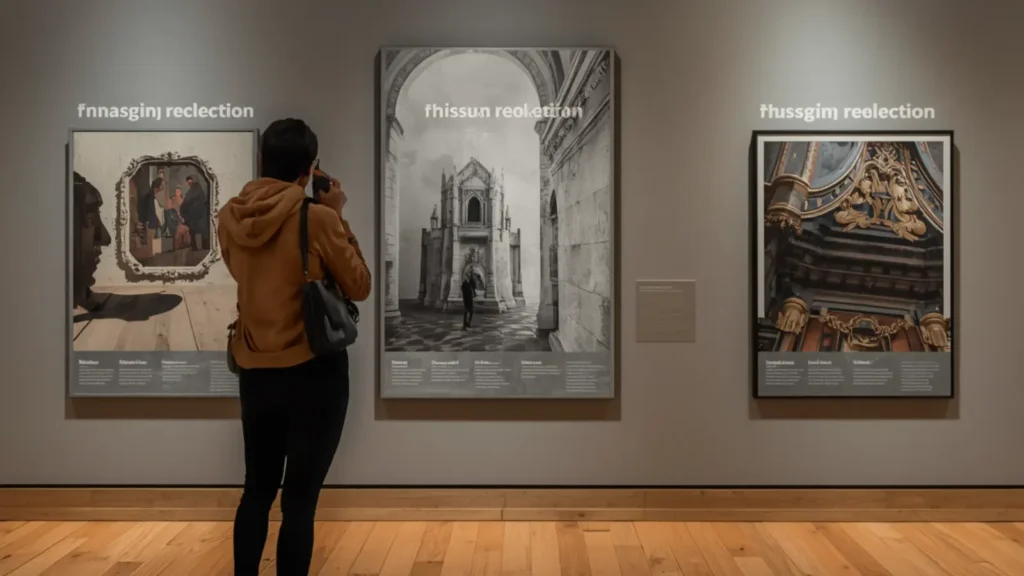
- Express personal feelings experienced during museum visits.
- Share emotional reactions to specific exhibits or installations.
- Use introspective language to deepen audience connection.
- Reflect on nostalgia, wonder, or inspiration triggered by art.
- Connect emotional themes with universal human experiences.
- Keep tone authentic and conversational for relatability.
- Use emojis 💭❤️🧠 to highlight emotional depth.
- Incorporate questions like “Have you ever felt this?”
- Show vulnerability to increase engagement.
- Avoid robotic descriptions—stay human-centered.
- Link emotions with storytelling elements for impact.
- End captions with reflective thoughts or insights.
🏛️ Historical Context Integration for Powerful Museum Post Narratives
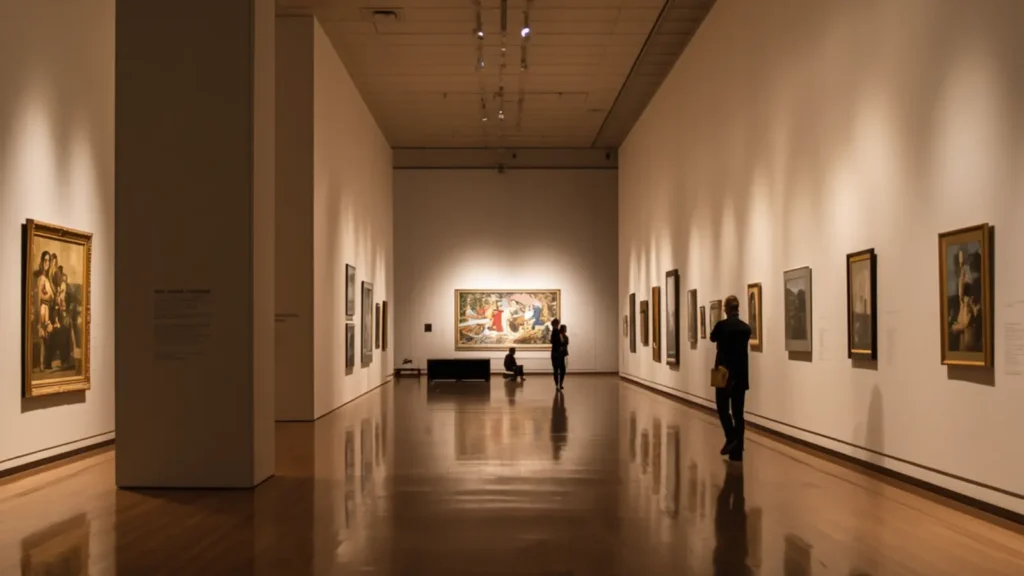
- Include brief historical insights in your captions.
- Explain the origin or era of the displayed artifact.
- Use storytelling to connect past and present.
- Keep historical facts simple and digestible.
- Add curiosity-driven statements about unknown histories.
- Highlight cultural significance of exhibits.
- Use emojis 🏺📜🏛️ for historical themes.
- Combine facts with personal interpretation.
- Avoid overwhelming readers with too many details.
- Make captions educational but engaging.
- Encourage followers to explore history further.
- Connect artifacts to modern-day relevance.
📈 Instagram Growth Strategy Using Museum Picture Captions
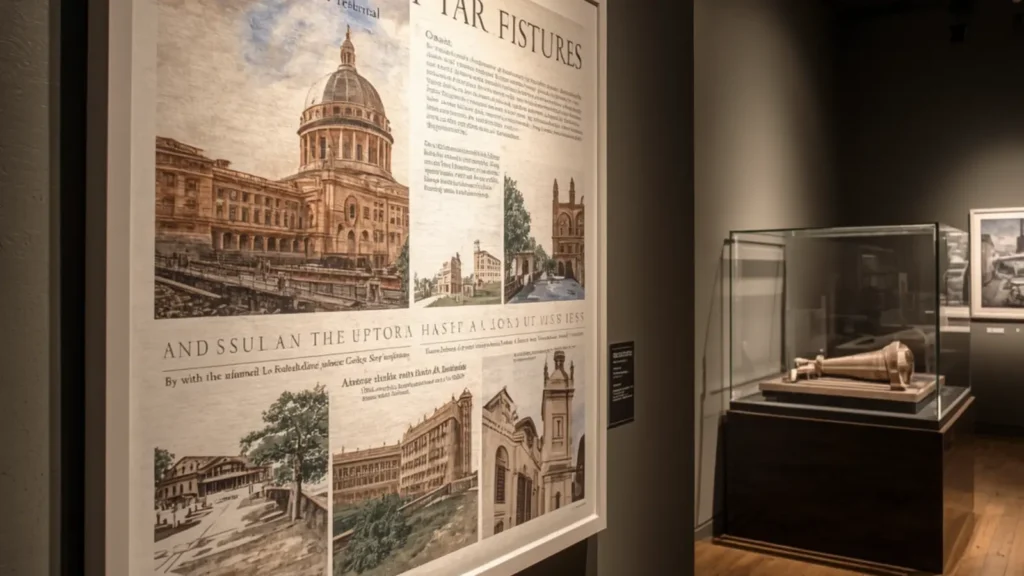
- Use captions that encourage likes, saves, and shares.
- Add call-to-action phrases like “save this moment.”
- Optimize captions for Instagram engagement signals.
- Write hooks in the first line to grab attention.
- Keep captions scannable with short sentences.
- Use storytelling to increase watch time and retention.
- Include emotional triggers to boost interaction.
- Mix curiosity and value-driven writing.
- Use emojis 📊🔥📸 strategically for engagement.
- Maintain consistency in caption style for branding.
- Encourage comments with open-ended questions.
- Track performance to refine caption strategy.
#️⃣ Hashtag Architecture for Museum Posts That Rank Higher
- Use a mix of broad and niche hashtags.
- Include museum-related hashtags like #MuseumLovers.
- Add location-based hashtags for discoverability.
- Balance high-volume and low-competition tags.
- Avoid overstuffing hashtags in captions.
- Keep hashtags relevant to artwork or exhibition.
- Use trending Instagram hashtags when appropriate.
- Combine aesthetic hashtags like #ArtAesthetic 🎨.
- Rotate hashtags to avoid algorithm suppression.
- Place hashtags at the end for clean formatting.
- Research competitor hashtag strategies.
- Monitor hashtag performance for optimization.
🌍 Cultural Intelligence Writing for Global Museum Audiences
- Respect cultural diversity when describing artifacts.
- Avoid biased or insensitive interpretations.
- Highlight global artistic influences.
- Use inclusive and respectful language.
- Acknowledge origin cultures of exhibits.
- Connect art to universal human values.
- Use emojis 🌍🤝🎭 for cultural harmony.
- Adapt tone for international audiences.
- Avoid stereotypes in captions.
- Promote appreciation rather than judgment.
- Encourage cultural curiosity in followers.
- Support global awareness through storytelling.
🧘 Minimalist Caption Styles That Elevate Artwork Focus
- Use fewer words for stronger impact.
- Let images dominate while captions support subtly.
- Focus on single powerful thoughts.
- Avoid unnecessary description overload.
- Use line breaks for clean readability.
- Embrace whitespace for aesthetic appeal.
- Add one emoji for emotional hint 🖼️.
- Keep captions poetic and short.
- Highlight one idea per post.
- Avoid repeating visual information.
- Let silence be part of the message.
- Create mystery through minimal expression.
🧠 Engagement Psychology Behind Viral Museum Picture Captions
- Use curiosity-driven hooks in captions.
- Trigger emotional responses for higher engagement.
- Apply storytelling psychology principles.
- Use contrast between expectation and reality.
- Ask engaging questions to boost comments.
- Tap into nostalgia and memory triggers.
- Use emojis 🧠🔥🎯 to guide attention.
- Keep captions relatable to everyday experiences.
- Encourage sharing through emotional resonance.
- Use surprise elements in wording.
- Focus on human connection over perfection.
- Optimize for dwell time and readability.
🚀 SEO & AEO Optimization for Museum Caption Content
- Use primary keyword naturally in captions.
- Add semantic variations like “museum photo captions.”
- Structure captions for featured snippet potential.
- Use question-based captions for voice search.
- Include NLP-friendly phrases for AI indexing.
- Keep sentences clear and concise.
- Add contextual relevance for search engines.
- Use related keywords like Instagram captions 📸.
- Optimize readability for mobile users.
- Avoid keyword stuffing to maintain quality.
- Align content with user intent.
- Improve engagement signals for ranking boost.
🎥 Reels & Short-Form Video Caption Ideas for Museum Visits
- Create hooks that match video storytelling.
- Keep captions short for fast scrolling users.
- Add curiosity-driven one-liners.
- Use emotional storytelling in micro format.
- Sync captions with reel transitions.
- Add trending emojis 🎥✨📍.
- Use cliffhanger-style captions for engagement.
- Highlight “behind-the-scenes” museum moments.
- Encourage viewers to watch till end.
- Combine captions with trending audio themes.
- Add CTAs like “watch till the last frame.”
- Focus on visual storytelling synergy.
✍️ Advanced Caption Formulas Used by Social Media Experts
- Hook + Emotion + Insight structure.
- Question + Story + Reflection format.
- Observation + Feeling + CTA formula.
- Short hook followed by poetic line.
- Fact + Emotion + Interpretation model.
- Visual description + personal thought combo.
- Problem + curiosity + resolution structure.
- Minimal caption + strong emoji impact.
- Story-first caption writing approach.
- Engagement-first CTA-based captions.
- Hybrid SEO + storytelling captions.
- Viral psychology-based caption engineering.
Conclusion:
Creating powerful captions for museum pictures is not just about describing art—it is about blending storytelling, emotion, strategy, and audience psychology into a single engaging message.
When you combine aesthetic writing, historical context, emotional depth, and Instagram optimization techniques, your captions become tools for visibility, engagement, and personal branding.
Whether you’re aiming for viral reach, stronger engagement, or meaningful storytelling, the key lies in authenticity and structure.
Use emotional hooks, relevant hashtags, minimalist expression to transform every museum photo into a compelling digital experience. 🖼️✨

Expert in funny one-liners, meme culture, and engaging short-form content.